Breaking barriers to create community: Sofia at the cross-border training in Trier
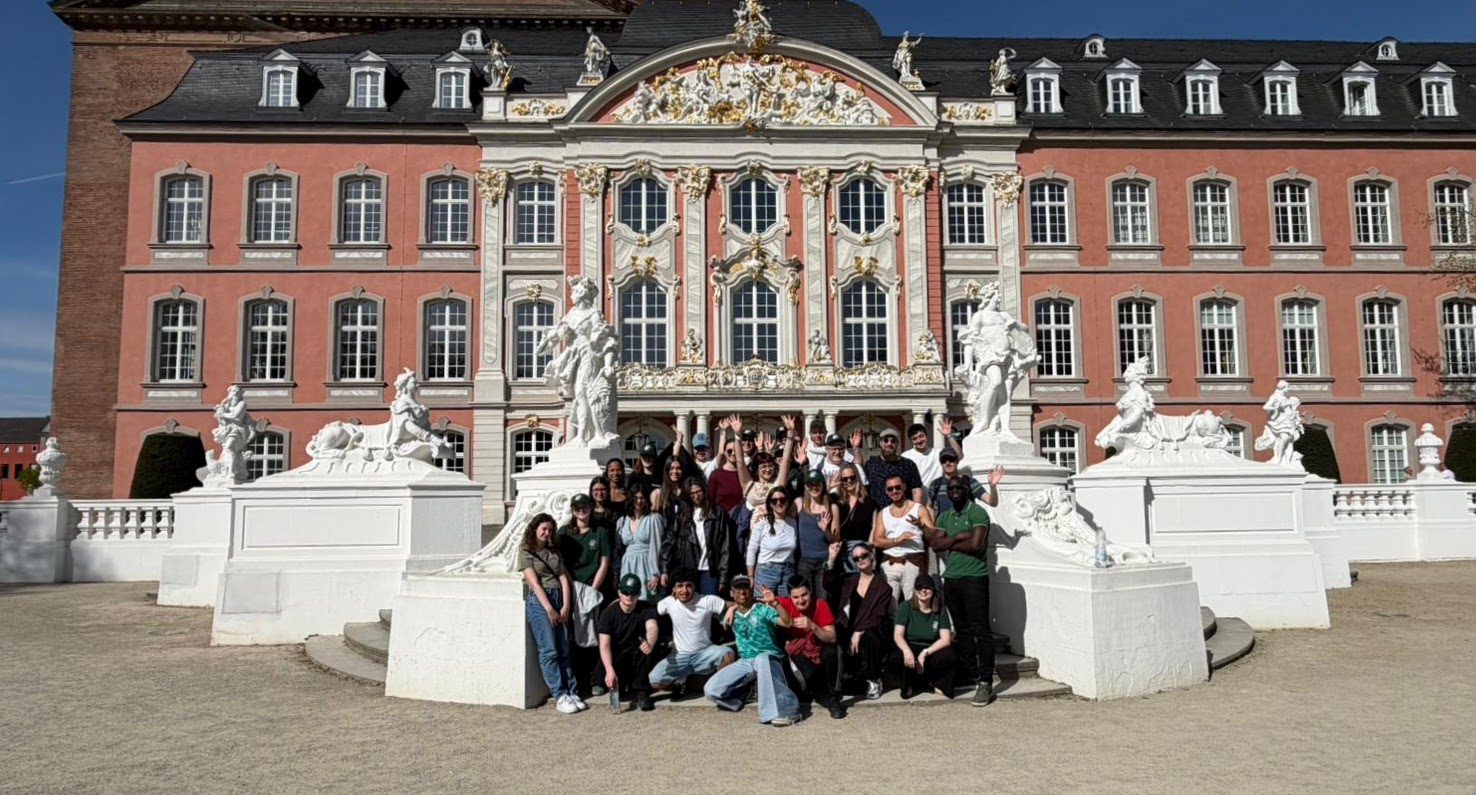
At the beginning of April, I had the opportunity to travel to Trier, Germany, for the Formation Transfrontalière. The training, organized by EVEA and Loryhan, was more than just a seminar; it was an intensive week of growth, leadership, and international exchange.
Our journey started with an introductory seminar designed to melt the ice. On the very first night, we held the International Night, a vibrant celebration of European diversity. Standing with the Belgian team, I presented local specialties while tasting flavors from our neighbors in Germany, Luxembourg, and Liechtenstein.
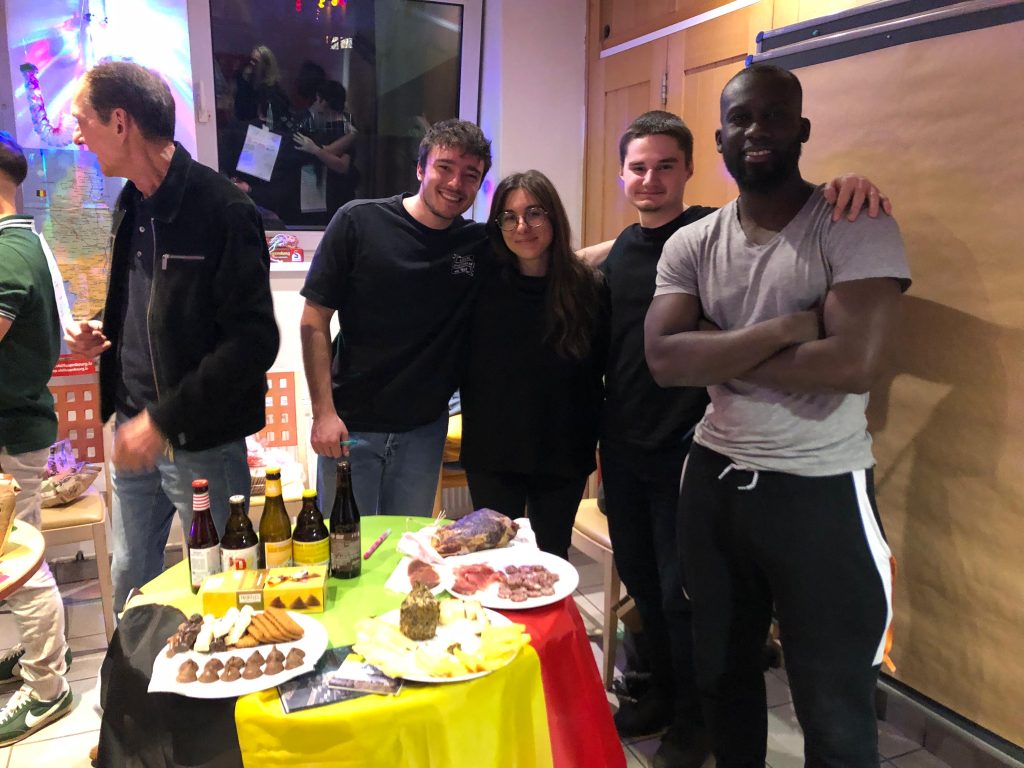
Of course, it quickly turned into a wonderful party filled with music and dancing! It was the perfect way to realize that while we come from different places, we share the same heartbeat: a goal to empower youth.
Throughout the week, we dove deep into the concept of intercultural learning, diversity and Inclusion, Communication, Conflict management, and International Project writing, and much more. We used creative tools like “identity flowers” to map out who we are: a difficult question that forces you to interrogate not only yourself but the world around you.
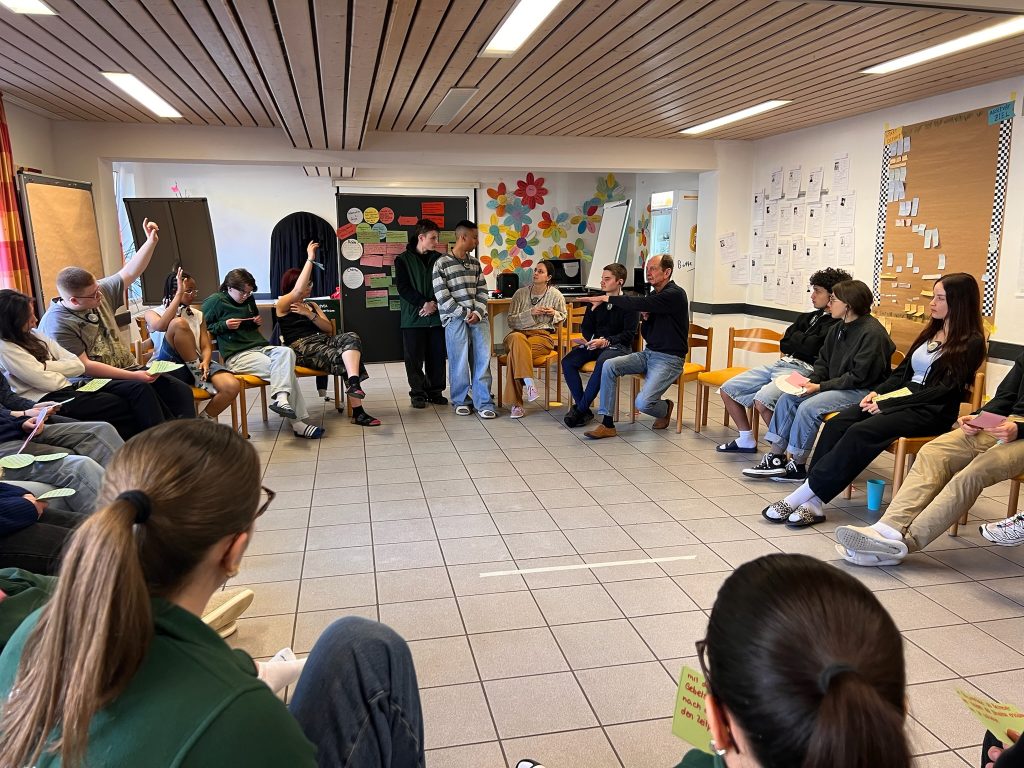
In one of the most eye-opening exercises, we split into groups to create entirely new cultures: the “Spi” and the “Fa.” We developed our own social rules, values, and languages, then “met” the other culture. Without knowing each other’s codes or meanings behind gestures, we faced the raw difficulties of intercultural exchange.
This experience taught us how to deconstruct our own biases and explore practical activities to teach young people about diversity and inclusion.
Connected to this was our work on conflict management. We simulated being mediators in various contexts, learning the delicate balance of group dynamics. From this, I walked away with three new skills:
- Navigating cultural communication styles within a diverse team.
- “active listening” to ensure every voice is truly heard.
- Managing the natural tensions that arise when a group tries to innovate together.
The most rewarding part of the week was the “engine room” of project management. I worked closely with my peers to:
- Draft SMART Objectives: Writing specific goals for a project focused on environmental awareness and sustainable lifestyles.
- Co-Creation: Visualizing a project’s lifecycle, from the initial spark to budgeting and final impact assessment, on large sheets of craft paper.
- The Pitch: Developing the confidence to present our projects clearly and inclusively to the entire group.
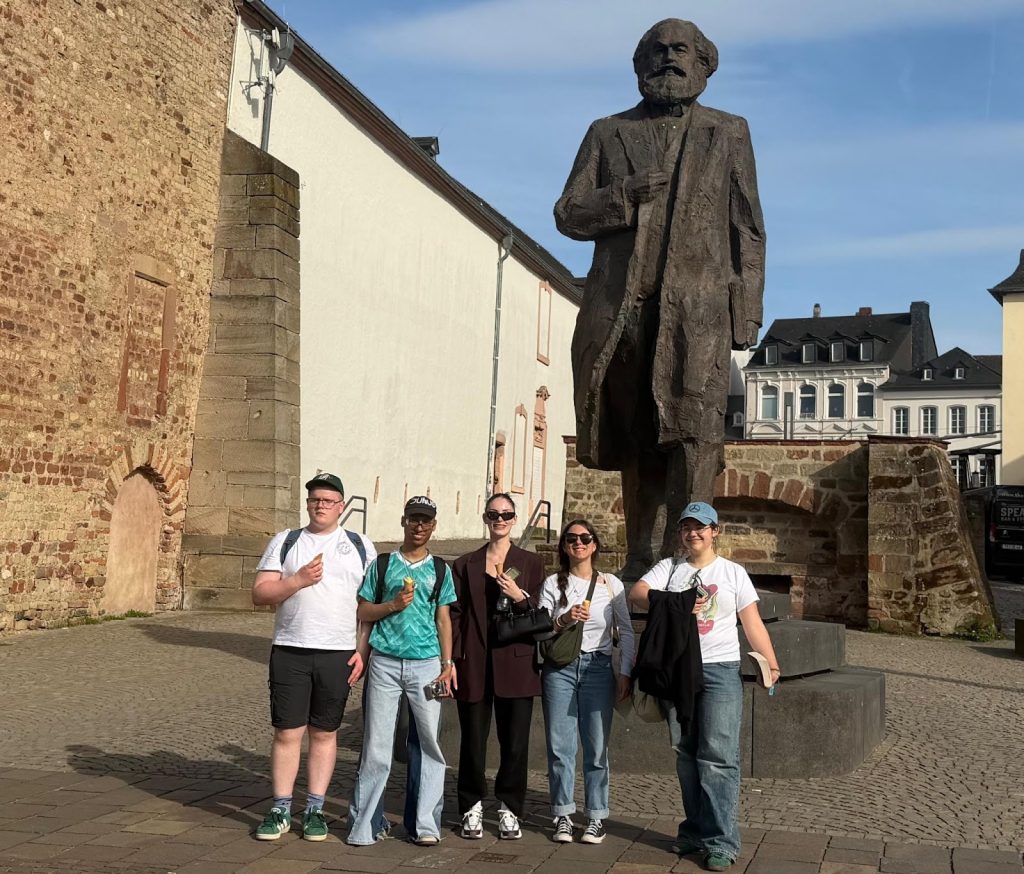
Although, the learning didn’t stop at the classroom door; it continued through every meal, break, and late-evening conversation. One highlight was our city exploration of Trier, where we split into small groups for “funny tasks”: interviewing statues, taking photos with locals and much more.
After the city visit, we shared a group dinner in a rustic local restaurant, a moment filled with laughter but also a touch of sadness, knowing our time together was drawing to a close.
The final night was a huge goodbye party back at our accommodation. It was full of music, tears, and emotion, but also immense hope. We left with the promise to meet again and a shared drive to work together and give back to others everything we had the opportunity to learn!
Sofia Mangiaterra