Mental Health in Youth Work: Insights from SALTO’s Training Course
My take on the SALTO training “Mental Health in Youth Work”, and how we can support young people through challenging times
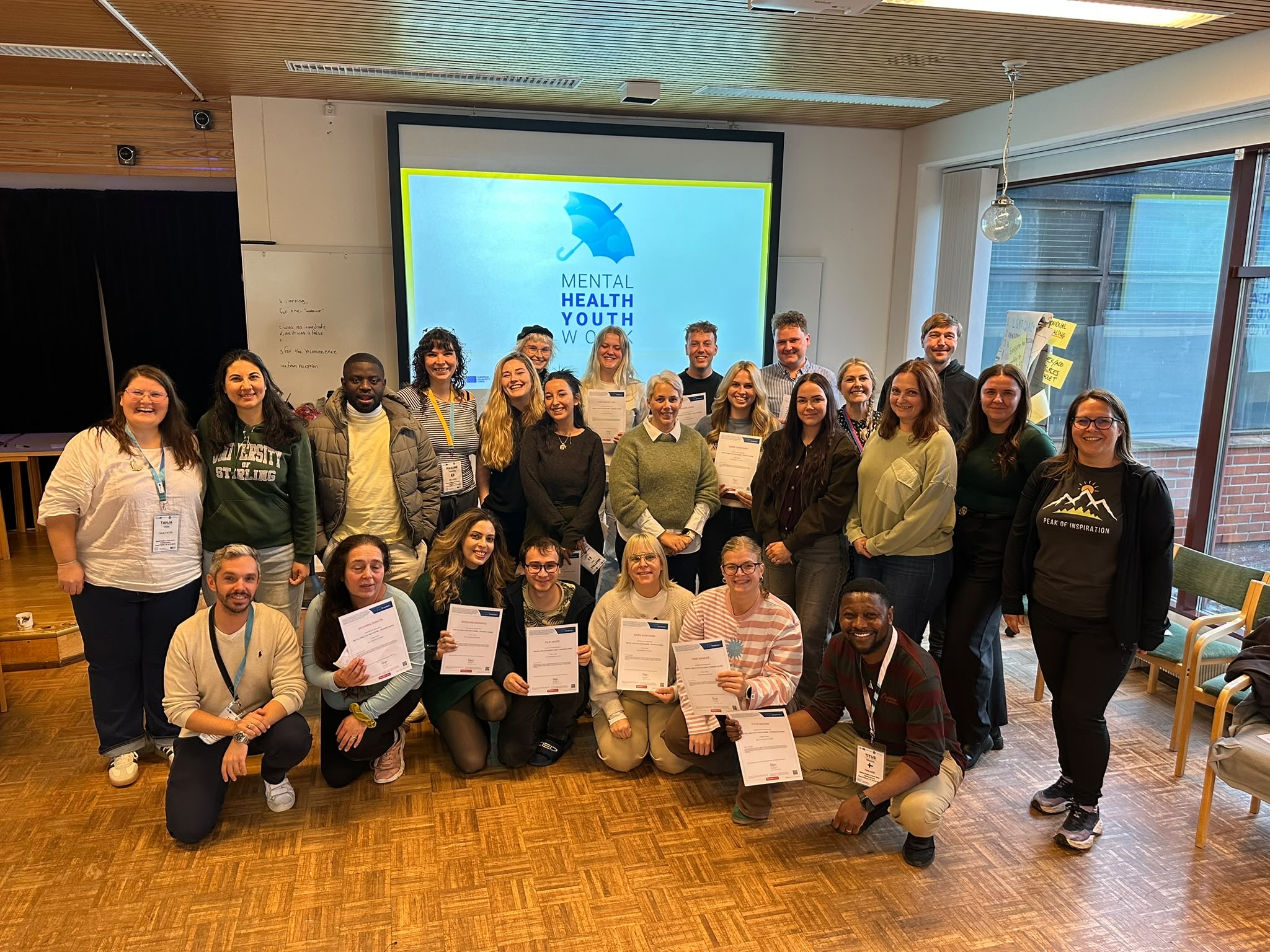
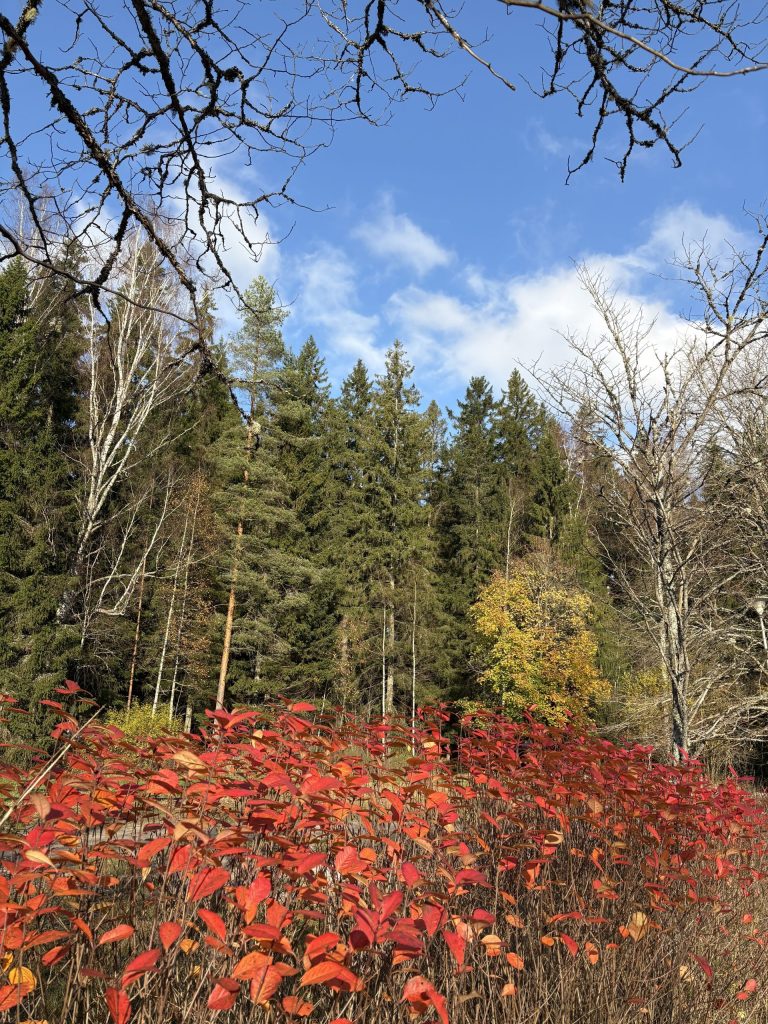
From 19 to 23 October, I had the privilege of joining a SALTO training course on mental health in youth work. Twenty-two youth workers from nine EU countries met in a beautiful center located in an enchanting pine forest on the outskirts of Helsinki. The setting was no accident: surrounded by tall trees and Nordic stillness, it was easy to slow down, listen and learn.
The training laid the foundations for understanding how youth workers can strengthen young people’s mental health, wellbeing and resilience. It brought together mainly youth workers who are active in various youth settings. Its main focus was our role and increase our competences: how we can help young people build their emotional and mental health skills.
The course set out to:
- Clarify what mental health really means
- Understand our role in promoting mental health in everyday work with young people
- Develop practical skills to support mental health
- Reflect on our daily practice with young people
- Create a supportive, inclusive and stigma-free environment
Mental health was approached through promotion and prevention, not through diagnosis, therapy or healing. Those belong to professional work outside youth work and require competences that youth workers are not expected to have.
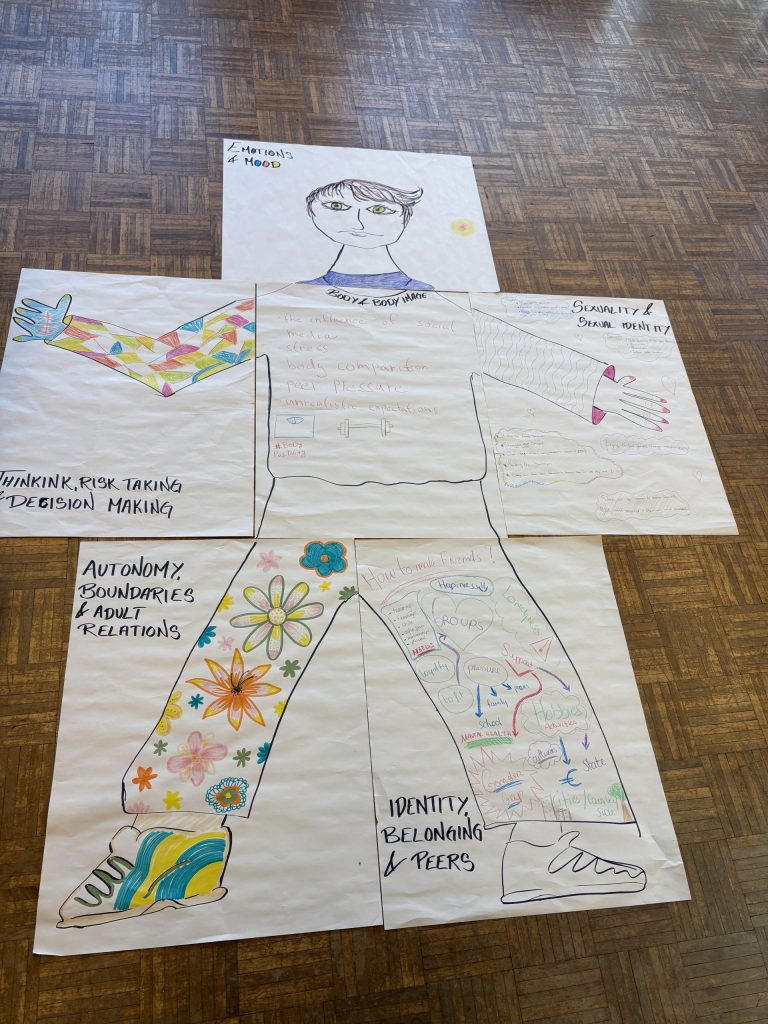
During the three days, three layers have been developped. We began with basic concepts, making sure we shared an understanding of mental health before trying to support anyone else’s. Day two turned inward, to ourselves: our own mental health, how it meets the lives of the young people we work with, and psychological first aid for supporting them in moments of crisis. The final day focused on competences related to mental health and on community practice at organisational level.
Several tools and methods stayed with me:
- A shared language. A common definition of mental health and the socio-ecological model of mental health and wellbeing gave every participant the same starting point.
- Meeting my 14-year-old self. This reflection exercise was among the most powerful. The young people in front of us carry the same uncertainty, hopes and fears we once did, and remembering that makes us empathetic, more patient and more present.
- The window of tolerance. We explored three states: hyperarousal, being present and hypoarousal. Each calls for different strategies to regain balance. Recognising which state I am in, or which state a young person is in, turns a confusing reaction into something we can respond to.
- Emotion coaching. Through role plays, we practised helping young people name and understand their emotions, and we drew our own charts to map our approach.
- Psychological first aid. We worked through a practical guide and its protocols. Good intentions need structure: knowing what to do, and when to refer onward, protects both the young person and the youth worker.
- Competences in context. We saw how our competences shift depending on the setting, and built our own pie chart to see where our strengths lie and where we can grow.
- Some of the richest moments happened in the Open Space, where participants shared methods such as talking cards and move-and-walk conversations. There I discovered Intervision, a peer-support method in which youth workers support one another within their team. Since we so often carry the emotional weight of others, it offers a way to share that load and avoid working alone.
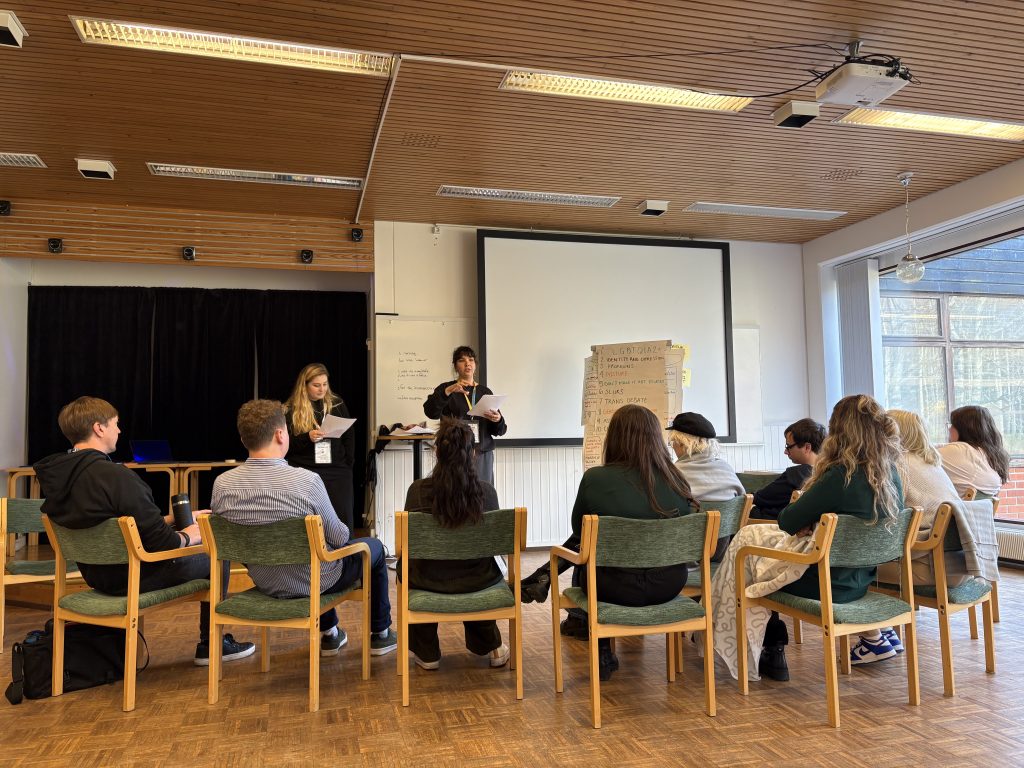
I return home with three commitments: to introduce Intervision in our team, to use the window of tolerance as a shared language for young people and for ourselves, and to keep the psychological first aid protocols close at hand.
I also bring back a network of colleagues across Europe, and a simple reminder: sometimes the best way to support others begins with a walk in nature and a willingness to listen.
To conclude, this training reminded me that supporting young people’s mental health begins with looking after our own. Knowing the concepts, understanding ourselves and having clear tools for crisis are pieces of the same puzzle. Youth work can promote and support mental health.
Anca David