From education to employment: How can we build more inclusive pathways across Europe?
Inclusive education does not end in the classroom. It should open the door to meaningful employment, giving everyone the opportunity to develop their skills, contribute to society and thrive at work.
That is the ambition behind the newly published W.I.N. Transnational Report, which explores how vocational education and training (VET) and workplaces across Europe can become more inclusive for people with disabilities. Drawing on research and good practices from 12 European countries, the report examines what works, what still gets in the way, and where change is needed most.
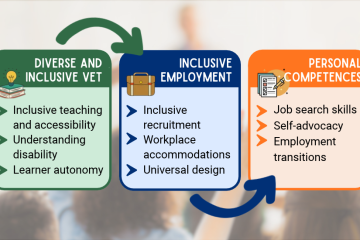
The findings point to a simple but important conclusion: inclusion cannot rely on individual adjustments alone. It needs to be built into education and employment systems from the start. Across Europe, successful initiatives combine accessible learning environments, personalised support, close collaboration between educators and employers, and real opportunities for work-based learning.
The report also highlights the barriers that continue to limit equal opportunities, from inflexible education systems and fragmented support to inaccessible workplaces and persistent misconceptions about disability. But alongside these challenges, it showcases practical solutions already making a difference, demonstrating that inclusion is not only possible but beneficial for learners, employers and society alike.
More than a research publication, the report provides a roadmap for the next stages of the W.I.N. project. Its findings will inform the development of training programmes and resources for educators, employers, people with disabilities and policymakers, helping strengthen the journey from education to employment across Europe.
Read the full report to discover the practices, recommendations and ideas that are helping build more inclusive vocational education and workplaces across Europe.