Step Into Action: Inclusion, Nature and a Very International Experience
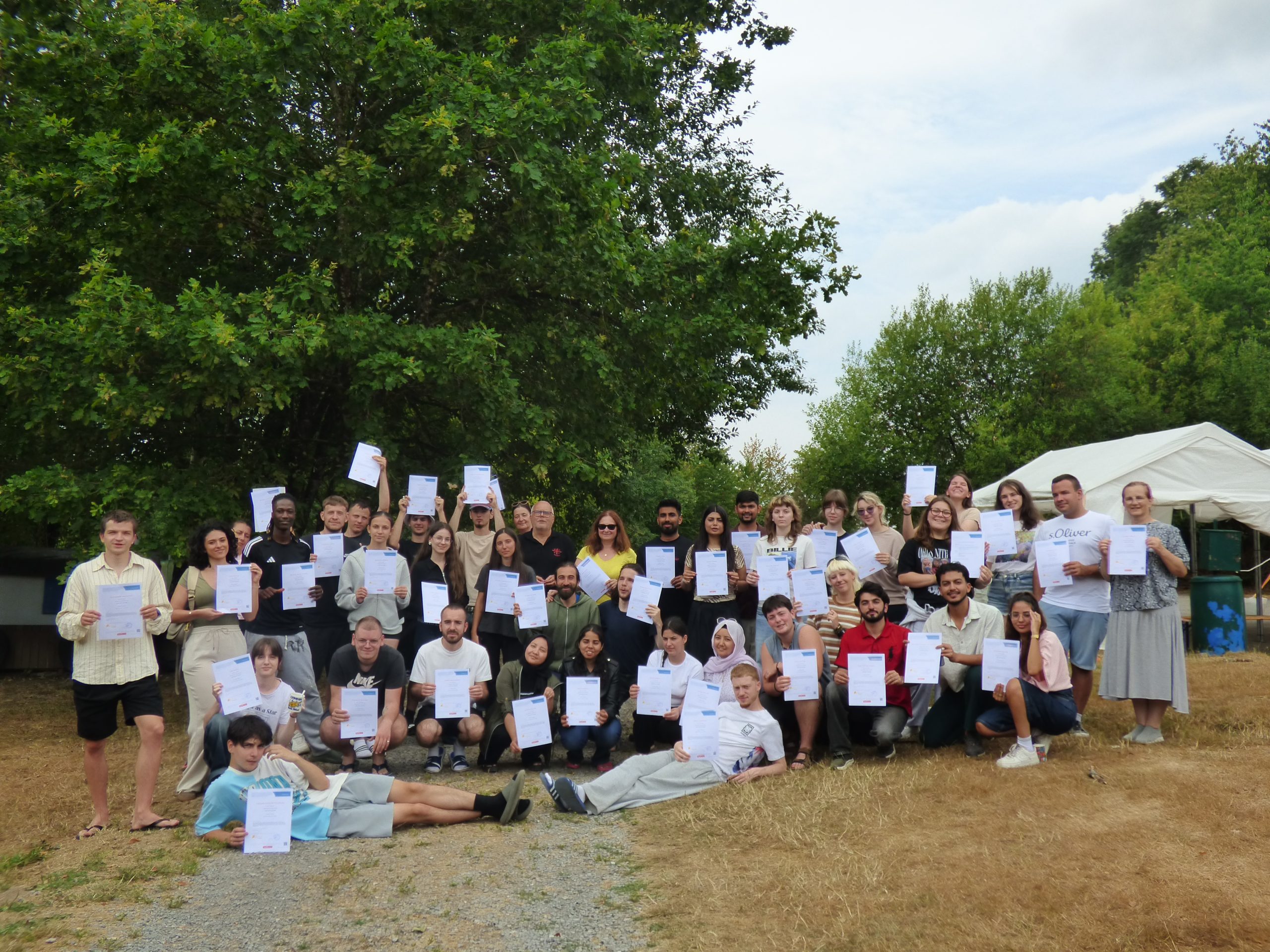
From 27 to 31 July, Botassart in the Belgian Ardennes became the meeting place for a large and particularly diverse group of young people taking part in the Erasmus+ youth exchange “Step Into Action”, organised by Babilon Travel. The project brought together participants from Romania, Belgium, Serbia, Hungary and Germany, with more than 40 people taking part in total.
The project focused on inclusion, outdoor activities, environmental awareness and intercultural learning. Hiking, outdoor activities, team challenges and other experiences in nature created opportunities for participants to cooperate, communicate and simply spend time together outside their usual environments. The project was designed to bring together young people with and without sensory impairments, and this interaction became one of its most interesting aspects.
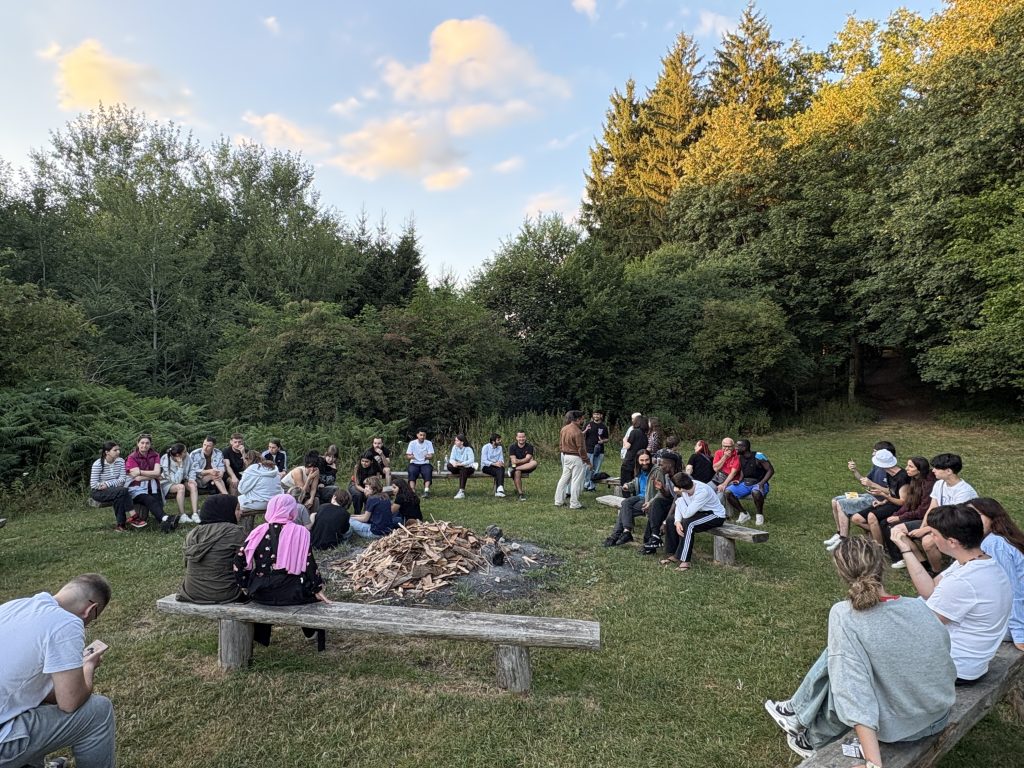
Participants were not only meeting people with and without disabilities, but also discovering different ways of communicating and interacting with people with different sensory impairments. In particular, there were many attempts to connect between visually impaired and hearing-impaired participants. Communication was not always straightforward, but this was precisely what made these interactions meaningful. People had to find their own ways of understanding one another, adapting and taking the initiative.
The diversity went even further. Although the participating organisations officially came from five countries, the group itself represented many more cultural backgrounds, including people with origins in Ecuador, India, Pakistan, Portugal, Afghanistan, Turkey and Morocco. With such a large and multicultural group, communication and organisation could easily have become complicated. Nevertheless, the group managed to create a positive atmosphere and make the exchange work well.
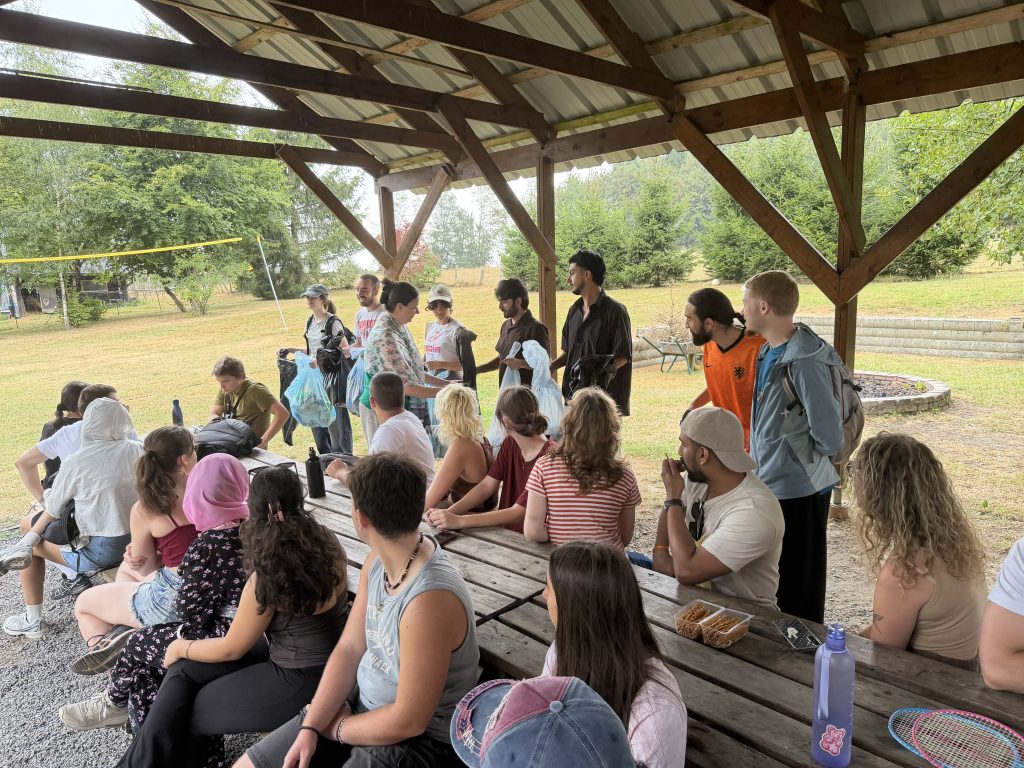
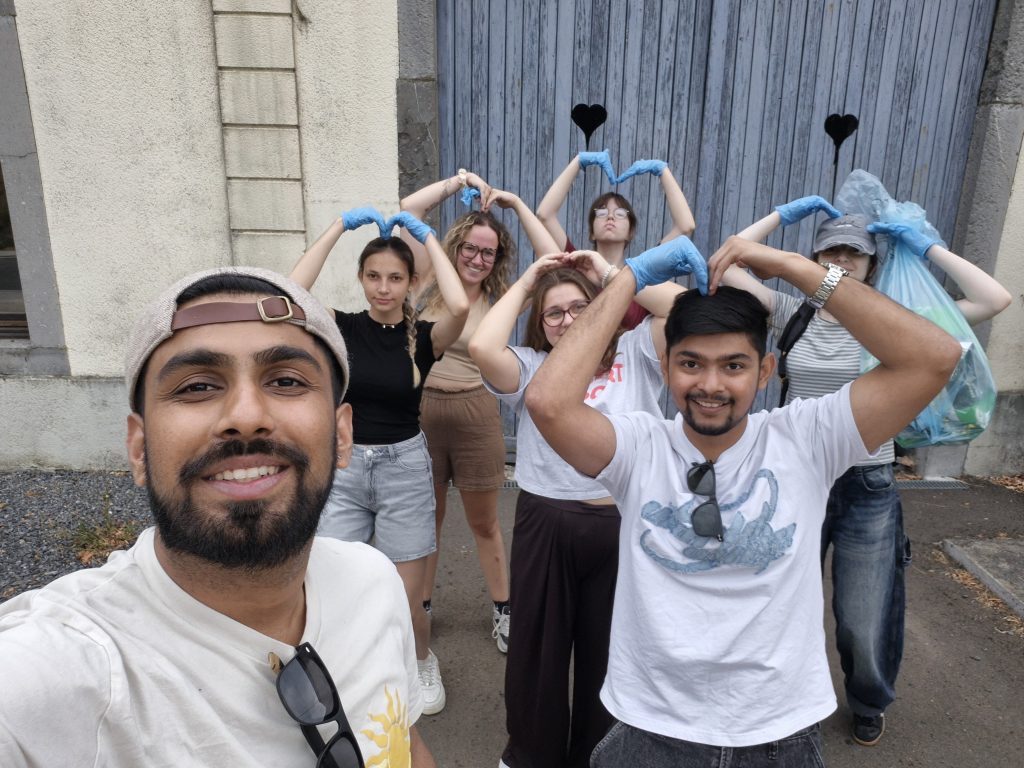
For some participants, the experience also meant stepping outside their comfort zone. One participant, who described himself as normally not being a very social person, said:
“the project was a real challenge for me. At the same time, I learned a lot about sensory impairments and about interacting with people whose experiences were different from my own”.
Another visually impaired participant particularly appreciated the rhythm of the activities: rather than feeling overwhelmed by a demanding programme:
“I felt that the exchange had something of a holiday atmosphere: being in nature, enjoying outdoor activities and having time to experience the surroundings”.
For those who have already participated in many international projects, the activities themselves may not necessarily be new. What remains interesting, however, is seeing how differently people from different backgrounds approach the same experience. Expectations, concerns, ways of communicating and even what participants consider satisfying can vary considerably from one country or culture to another.
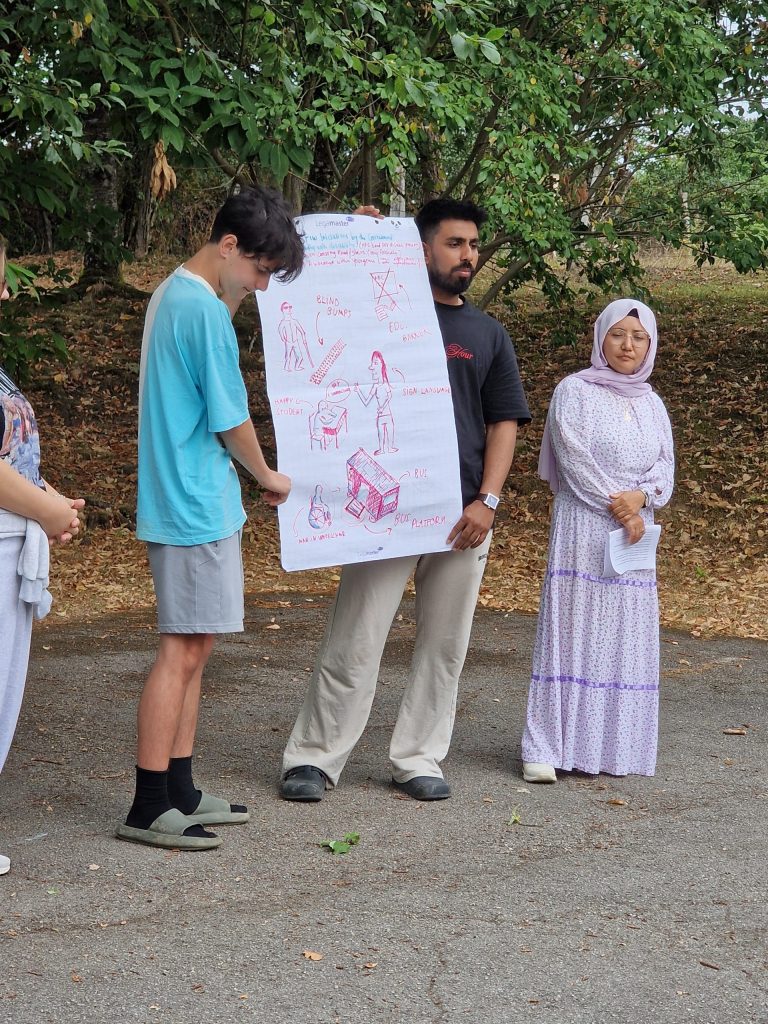
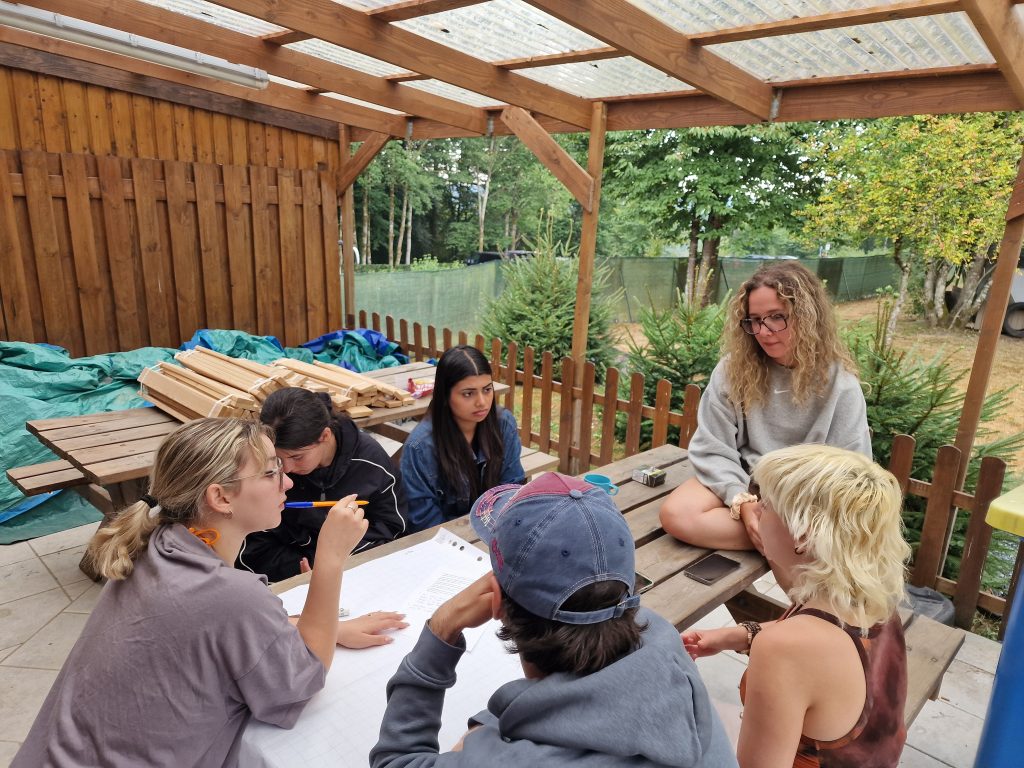
That may be one of the most valuable things about an exchange like Step Into Action. It is not only about doing activities together. It is about discovering how differently people can experience the same situation, finding ways to connect despite those differences, and realising that inclusion is something we build together through everyday interactions.